

West Asia crisis triggers Morbi tile shutdown, TG braces for impact
Propane shortage paralyses India’s tile capital; supply crunch may push up construction costs and hit homebuyers
image for illustrative purpose
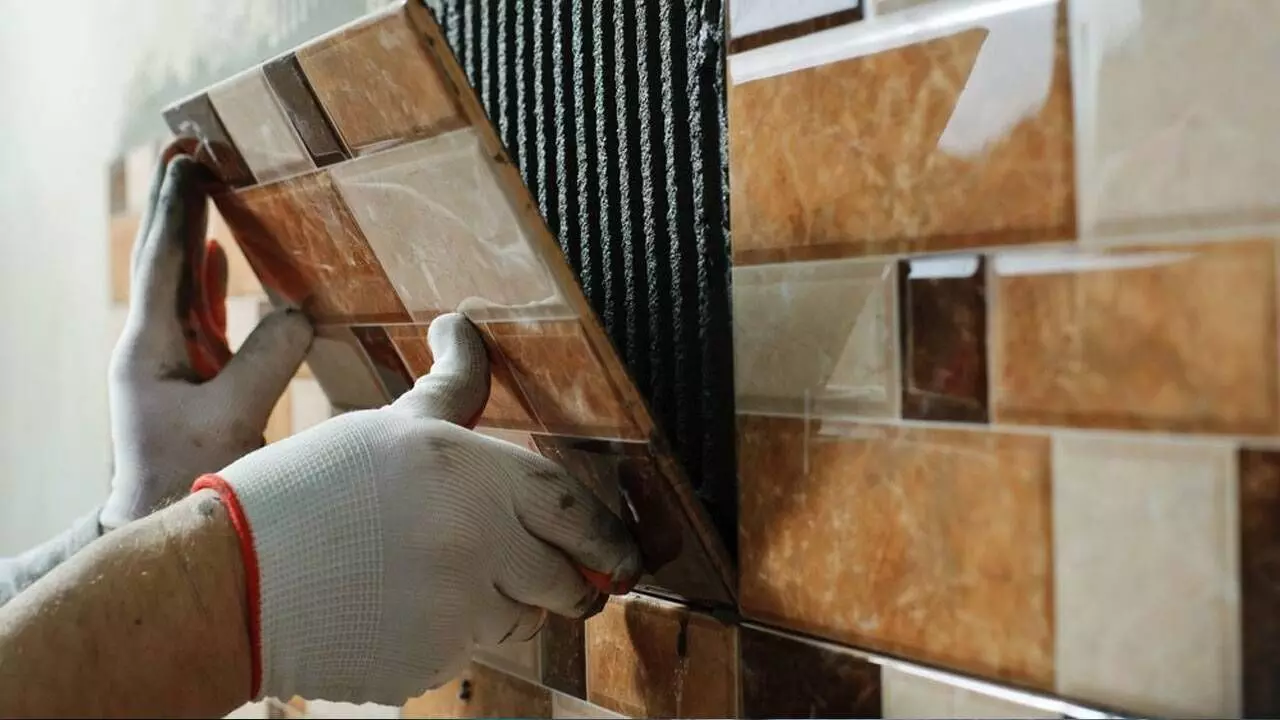
Hyderabad: The ripple effects of the West Asia conflict have reached India’s ceramic heartland. Morbi, the Gujarat town that produces 80-90 per cent of the country’s tiles, is on the brink of a full shutdown and tile industry in Telangana and Andhra Pradesh is already feeling the heat.
Nearly 80 per cent of ceramic manufacturing units in Morbi have ceased operations due to an acute shortage of propane gas, the fuel that fires tile kilns across the cluster. Ravi Chopra, a tile manufacturer based in Morbi, said the remaining 20% of factories could follow suit within days if gas shipments fail to resume.
“Tile prices have already increased by about Rs 2 per square foot, and this will eventually be passed on to the end consumer,” he warned.
The disruption is linked to crisis in West Asia, through which a significant portion of the country’s energy imports pass via the Strait of Hormuz, one of the world’s most critical oil and gas transit corridors.
The disruption has choked propane supply lines feeding the Morbi cluster, which houses 600-800 manufacturing units and employs lakhs of workers who supply the domestic construction market and export to over 100 countries. India’s tile industry is valued at Rs 65,000-70,000 crore. The Morbi cluster alone consumes roughly 25 lakh cubic metres of natural gas and around 55 lakh cubic metres of propane daily. Propane-LPG, largely imported from Gulf countries, powers nearly 60 per cent of units, while 150-200 units run on piped natural gas from Gujarat Gas, Chopra informed. “At present, propane supply is almost unavailable and piped gas supplies are also on the verge of getting exhausted,” he said.
Adding to the strain, logistics costs have surged by 25 per cent. Industry sources now confirm that almost all factories in Morbi are headed toward a complete shutdown, a scenario that has already begun impacting the domestic market across the country, including Telangana and Andhra Pradesh. Veda Hitesh Kumar, Managing Partner of Hyderabad-based Veda Ceramics, said the damage is compounding fast. “The ceramic tile industry operates kilns at temperatures exceeding 1,200°C, which requires uninterrupted fuel supply. Disruption in propane or natural gas availability immediately increases manufacturing costs and affects production schedules,” Kumar said.
Energy costs, which typically account for 20-30 per cent of total production, have now climbed by 20-25 per cent overall. “In some units, fuel expenses alone may cross 40 per cent of the total cost structure,” he noted.
“The industry had spent the better part of a decade moving away from coal-fired kilns toward cleaner fuels like propane and natural gas. That transition now leaves it acutely exposed to import-linked supply shocks,” he added.
Cities like Hyderabad, which depend heavily on Gujarat for tile supplies, face the prospect of both supply delays and sharply higher prices. Industry experts warn that rising tile costs could increase construction expenses for residential and commercial projects, costs that developers may eventually pass on to homebuyers.





